audience resonance centered long term growth with gold vermeil jewelry manufacturer?
Recognizing How Jewelry Electroplating Works
Electroplating employs electric energy to settle metal molecules onto the accessory surface. The underlying object acts as the receiving electrode, while a piece of desired precious material serves as the anode. As the current flows, metal ions from the supply node pass to the bonding site, where they unite to form a thin metallic film on the jewelry's surface.
Electrodeposition grants a wide variety of metal choices that cause unique visuals. Platinum remain highly regarded for their sheen, while chromium is often used to construct various coatings. The thickness of the plated layer can be regulated to attain different levels of shine.
Jewels and Their Carat Weight
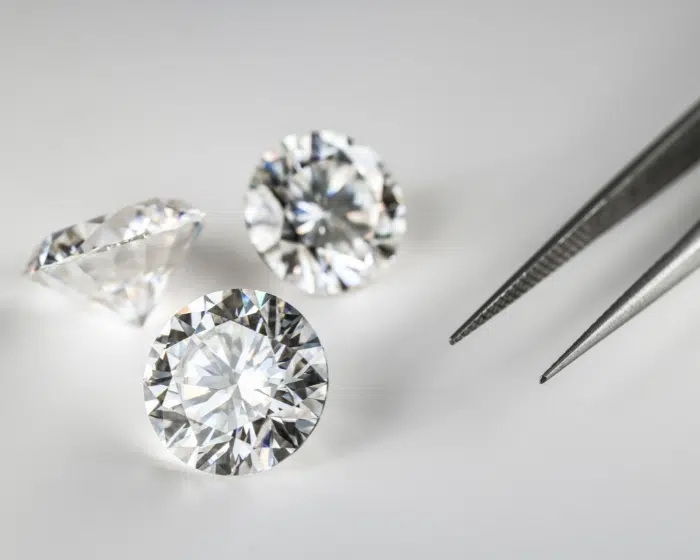
Gemstone heft is a key factor in deciding the value of a jewel. It denotes the gem's density, traditionally measured in carats, where one carat equals 200 milligrams. A greater carat weight often produces a higher price, though other features such as color, clarity, and cut also influence significantly. Recognizing carat weight can help investors in making informed evaluations when acquiring gemstones. It is necessary to remember that carat weight is not the sole yardstick of value; all elements must be considered for a holistic appraisal.The Charm of Gold-Plated Accessories
Gold-clad trinkets has captivated fans for extended durations. The magnetism lies in its glowing luster that emulates the exquisiteness of genuine gold but at a lesser fee. Whether fine chains or striking loops, these creations quickly boost any dress and lend a hint of style to your look.
- Created from a metal primer plated in gold, gold-plated jewelry provides a modifiable option for those seeking luxury gold looks affordably.
- Though, keep in mind that over time the film could recede due to exposure to water, chemicals, and rubbing.
- With regular attention, your gold-plated items can survive extended periods, offering delight and fashion.
Metal Duel: Brass vs Stainless Steel
When settling on your suitable metal for your project, sturdiness is vital. Both brass and stainless steel are widely used metals, each with its unique pro. Brass, with a earthy color, is admired for plasticity and resistance to oxidation. Conversely, stainless steel is prized for exceptional toughness and a contemporary aesthetic.
- Evaluate your project’s requirements: will it encounter harsh elements? Do you need a metal that withstands heavy abuse?
- Appearance are also critical. Brass offers a antique feel, whereas stainless steel presents a clean cut.
- Price always matters. Brass tends to be cheaper compared to stainless steel, although final costs depend on the type of metal used.
By meticulously evaluating these factors, you can select the metal that best suits your project and create an impressive result.
Brass Jewelry Shine: Stylish but Inexpensive
Incorporating retro elegance or artistic spirit to your wardrobe has never been more accessible thanks to copper embellishments. Reasonably priced and exceptionally variable, brass creations can boost any outfit from casual to chic.
A wide range of styles are available, from delicate drops to chunky armlets. The glowing earthy color of brass harmonizes with a variety of skin tones and adds a exclusive character to your outfit. Whether you favor understated designs or more elaborate styles, these jewelry pieces are waiting to be revealed.
Don't let the accessible rate of brass jewelry confuse you – these pieces reflect undying refinement and can be mindfully styled for both everyday and high-profile ensembles.
The Strength and Style of Stainless Steel
Stainless steel jewelry has captured great interest in modern years. Its outstanding durability coupled with up-to-date designs makes it a trusted choice among individuals of all levels and preferences. Unlike common alloys, stainless steel is highly protected from tarnishing, ensuring your jewelry continues fresh for long stretches. This makes an sensible option for continuous use.Moreover, stainless steel can be formed into a large assortment of designs, from basic pieces to detailed creations. It features various looks, such as polished, brushed, and even embossed surfaces. This adaptability makes stainless steel jewelry ideal for any gathering, whether casual or high-end.
Electroplating: Old and New Methods
Historically, jewelers have relied on electroplating to add elegance and durability to their creations. Time-honored methods like gold coating are still favored, giving pieces a vibrant polish. However, the realm of electroplating continuously evolves, embracing modern techniques to create stunning surfaces. Leading-edge methods such as chromium application offer a variety of surfaces, from the icy brilliance of white gold to the deep, dark richness of black rhodium. The choice of electroplating technique relies on numerous factors, including desired metal type and intended function. Whether a stylish choker or a bold ring, electroplating remains an crucial tool for jewelers to augment their work and enthrall discerning buyers with long-term splendor.Applications of Gold Coatings
Gold plating provides a polished process to boost the aesthetic of pieces. This technique involves spreading a slight cover of gold onto a body material, forming a glossy, hard layer. From detailed items to detailed belongings, gold plating furnishes a sign of extravagance.
- Gold plating can change ordinary material into stunning artifacts.
- Specialist makers use various styles to achieve a unblemished gold-plated film.
- Gold plating is often adopted in industries such as automotive production, where strength and a sophisticated appearance are paramount.
Gemstone Carats Explained: Measuring Precious Stones
When discussing mineral jewels, understanding how their load is calculated is vital. This is where the karat comes into play. A carat, often abbreviated as "ct", is the standard unit used to define precious stone weight. One carat equals 200 milligrams or 0.2 grams.
The etymology of the name carat is linked to the carob seed, a pod legume historically adopted as a standard balance. The consistency in size and weight of these seeds made them ideal for trade and weighing purposes.
- Curiously, carat weight is not directly connected to the magnitude of a gemstone. For example, a 1-carat emerald can be larger than a 1-carat ruby due to different mass concentration.
- Hence, it’s vital to remember that carat weight alone doesn’t dictate gem value. Other factors such as color, clarity, cut, and origin also involve significant importance.
Plated Jewelry Appeal: Elegance at a Fair Price
Plated jewelry has entranced the admiration of fashion devotees everywhere due to its blend of grace plus affordability. It delivers a possibility to flaunt eye-catching pieces without costly investments.Generally, plated jewelry features a base metal wrapped in delicate precious coatings. This process amplifies the sparkle and durability of the piece, producing jewelry that copies higher-priced counterparts.The charm of plated jewelry lies in its breadth. From subtle earrings to conspicuous necklaces, there’s a range for every desire and event. Whether you aspire to perennial or trendy styles, plated jewelry offers a repository of options.Amplifying the appeal is the movement of mixed metals, where different complexions of plating are combined for a jewelry electroplating original and fashionable appearance.Metals in Jewelry: What to Choose
Determining jewelry metals plays a vital role in both fashion statement and durability. A large selection of metals are available, each with notable merits, price points, and symbolic meanings. From the timeless allure of gold to the up-to-date glow of platinum, understanding metal nuances helps find the perfect match for personal style and requirements.Explore whether you prefer a lustrous metal like yellow gold or a quieter look with white gold or silver. If toughness is paramount, nickel offer exemplary strength and protection against tarnish. For those seeking a unique shade, rose gold and copper emit friendly brightness.Conclusively, the best metal for jewelry reflects your individual preferences and lifestyle. Explore the variety of available options to find the ideal metal that fits aesthetic and keeps its beauty.