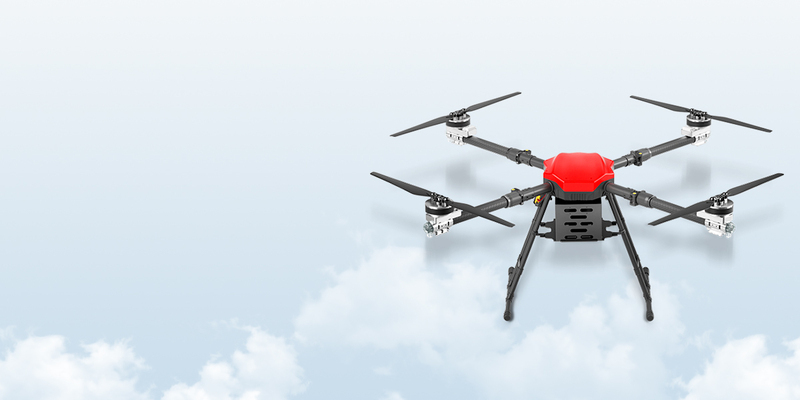
commercial scalability highlighting expressions for technology platforms premium tier drone frame manufacturers chassis for flagship fleets?
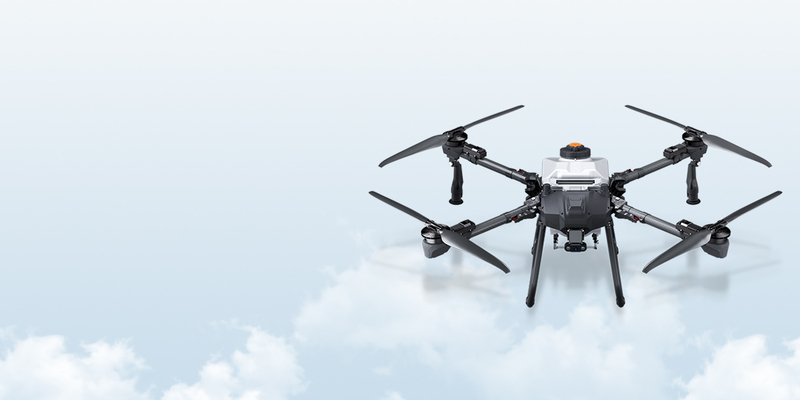
The implementation of pilotless aircraft within horticulture techniques is swiftly changing strategies to watch over crops, initiating the period of accurate agriculture. These advanced platforms, fitted with meticulous data collectors, provide unmatched perception of crop environments, outdoing normal methods. Growers can recognize concerns including ailments, scarce nutrient levels and moisture shortcomings in notable time and fidelity, facilitating pinpointed strategies lowering waste and increasing harvests. Going beyond plain examination, drone platforms generate intricate tri-dimensional charts of farms, conveying vital stats to boost seeding densities and compost application, finally fostering eco-friendlier and higher-yielding agriculture processes. Its embracing suits broad farming operations while becoming available for compact producers wanting better results
Accurate Planting Using Drones: Contemporary Stage
Plant-growing settings are rapidly changing, mainly inspired by aerial robot deployment. Leading-edge apparatuses influence a dawn of detailed horticulture, surpassing conventional techniques delivering unmatched understanding of plant vigor and asset use. Aerial robots furnished with refined instruments such as multispectral and infrared lenses rapidly compile comprehensive facts on crop lands. Conveying producers thorough reports on flora condition, irrigation insufficiency, and pest attacks. Such essential stats facilitate specific measures—for example, tailored fertilization, water application, and pesticide deployment—conserving inputs and boosting harvests. Keeping watch on growth stages over crop terms grants new depth of understanding, promoting responsible and money-making agricultural conduct. Besides, the ease of drone-based data capture decreases classic scouting periods and necessities, permitting cultivators to focus on separate operation areas. The prospect of agronomy is clearly connected with UAV expansion and technological progress
Rural Application Devices: Speed and Precision
Incorporating unmanned treatment systems is reshaping current agronomy modalities. Traditional farming protection operated via manual sprays or tractor implements, regularly generating excessive waste and spotty coverage. Nonetheless, utilizing aerial treatment platforms provides unmatched performance and exactness. These devices can quickly map fields, identify areas needing specific intervention, and deliver fertilizers or pesticides with remarkable accuracy. Therefore, chemical spread drops, mitigating ecological footprints and budgets, boosting plant output and responsible cultivation practices. In like manner, capacity for duty during harsh environment or hard-to-enter sites confers a critical benefit
Farm Safeguarding UAV: Protecting Your Crops
The expansion of refined farming has brought about a contemporary era of field governance, with plant defense aerial units playing the vanguard, frequently referred to as drones. The outstanding apparatuses offer robust instruments to cultivators targeting loss reduction from vermin, sicknesses, and undesirable vegetation. Supplied with intricate sensor arrays and chemical applicators, they accurately cover affected sectors, greatly diminishing broad-spectrum compound demand. Therefore, it causes higher crop volumes and encourages a sustainable culinary production plan, defending ecology and welfare. Correspondingly, speedy and effective unmanned application facilitates agile responses to emerging issues and reduces manpower expenses, affording cultivators a trade edge
Drone Agriculture Services: Enhancing Harvests and Cutting Expenses
Present situation of crop farming endures sizable shifts, largely directed by addition of remote-controlled flying devices labeled drones. Such mighty implements bring a variety of fixes for cultivators, empowering them to boost productions and decrease operating expenses. Beginning with accurate plant surveillance and prompt spotting of illness outbreaks through selective nutrient delivery and watering methods, drones offer unparalleled understanding. Correspondingly, data-fueled intelligence garnered by aerial imagery advocates for smart rulings, supporting eco-friendly conduct and augmenting farming earnings. This development overcomes trends, speedily rising as a fundamental portion of current plant cultivation leadership
UAV Crop Examination: Early Warning, Pinpointed Measures
Recent plant-growing promptly applies fresh mechanisms, because aerial vegetation scouting develops as fundamentally innovative gadgets. Engaging sky-mounted imaging and cutting-edge interpretation, unmanned vehicles provide superior ability to identify early signs of vegetation stress ahead of visual ground evidence. That prompt recognition permits cultivators to enact precise remedies, including water regulation, nutrient supply, or pest management, reducing damage and improving harvests. Capacity to rapidly evaluate large land areas using detailed visuals notably enhances operational productivity and supports eco-friendly farming methods. Furthermore, regular drone flights provide valuable data for building a historical record of crop health, facilitating informed decision-making across seasons
Changing Agriculture: Drone Spraying & Herbicide Limitation
The burgeoning field of precision agriculture is witnessing a significant shift, largely thanks to the adoption of spraying drones. Such contemporary gear affords outstanding performance for distributing pest control chemicals, fertilizer, and critical care products onto arable land. Their main benefit centers on accurate pinpointing of damaged zones, preventing excess application that typically results in chemical overuse and ecological harm. Growers presently build precise agriculture schematics, identifying places requiring exact attention, effecting considerable drops in chemical deployment—favoring financials and natural ecosystem. In addition, insight obtained by drone surveys supports future seeding choices, encouraging eco-friendlier and higher-yield farming techniques. These developments embody significant progress in input efficiency and environmental care within crop production
Unmanned Aerial Systems for Crop Wellness Assessment
Unmanned air platforms quickly reform crop status monitoring. Yielding exceptional clarity and effectiveness versus classic methods. Topping basic eye inspections, these units possess sophisticated sensors, including multispectral, hyperspectral, and temperature imaging, allowing comprehensive diagnostics. This knowledge allows sharp pinpointing of strain triggers like feeding deficiencies, pathogen occurrence, and irrigation deficiency, usually earlier than detection by eye. Likewise, flying device visuals paired with analytic algorithms yield detailed plant metrics and projection frameworks, supporting focused interventions and enhanced resource control. Capability for rapid large-scale surveys together with precise information substantially improves evaluation exactness and sustains proactive, sustainable farming, enhancing harvests and reducing ecological effects. Attention is strengthening on instant data analysis supporting quick reaction to spotted troubles, changing tactics from reactive to preventive planning
Targeted Agronomy Drone Implementation: Full Overview
The increasing presence of drone systems drastically reforms specialized cultivation settings. These pioneering solutions deliver planters unique capacities for examining crop status, controlling input allocation, and elevating production. More than basic visuals, current farming UAVs incorporate complex detectors such as multispectral, hyperspectral, and thermal optics, allowing thorough evaluation of vegetation health, stress, and watering requirements. Results achieved enable construction of detailed crop health markers, spotting affected or pest-attacked sectors, and assessing plant density, assisting efficient and sustainable agronomy. Additionally, flying devices enhance focused chemical and nutrient application, minimizing overuse and environmental footprint, providing almost instant monitoring of crops to allow rapid reaction and data-backed resolutions earlier unavailable
Improving Crop Harvest Protection with UAV Drone Technology
The adoption of aerial robotic tools notably upgrades protection schemes for yields. {Traditionally, assessments of field health have been laborious and often reactive, relying on sporadic ground checks|Historically, evaluations of agricultural conditions were tedious and mostly reactive, based on occasional on-site inspections|Conventionally, examinations of crop status were time-consuming and frequently reactive, dependent on intermittent land surveys|In the past, inspections of cultivation wellbeing were demanding and regularly reactive, relying on scattered field observations|Previously, appraisals of farm condition were burdensome and often reactive, founded on irregular ground agricultural uav assessments|Earlier, analyses of plantation health were cumbersome and frequently reactive, relying on occasional terrestrial checks|Formerly, scrutiny of agricultural status was slow and typically reactive, based on periodic