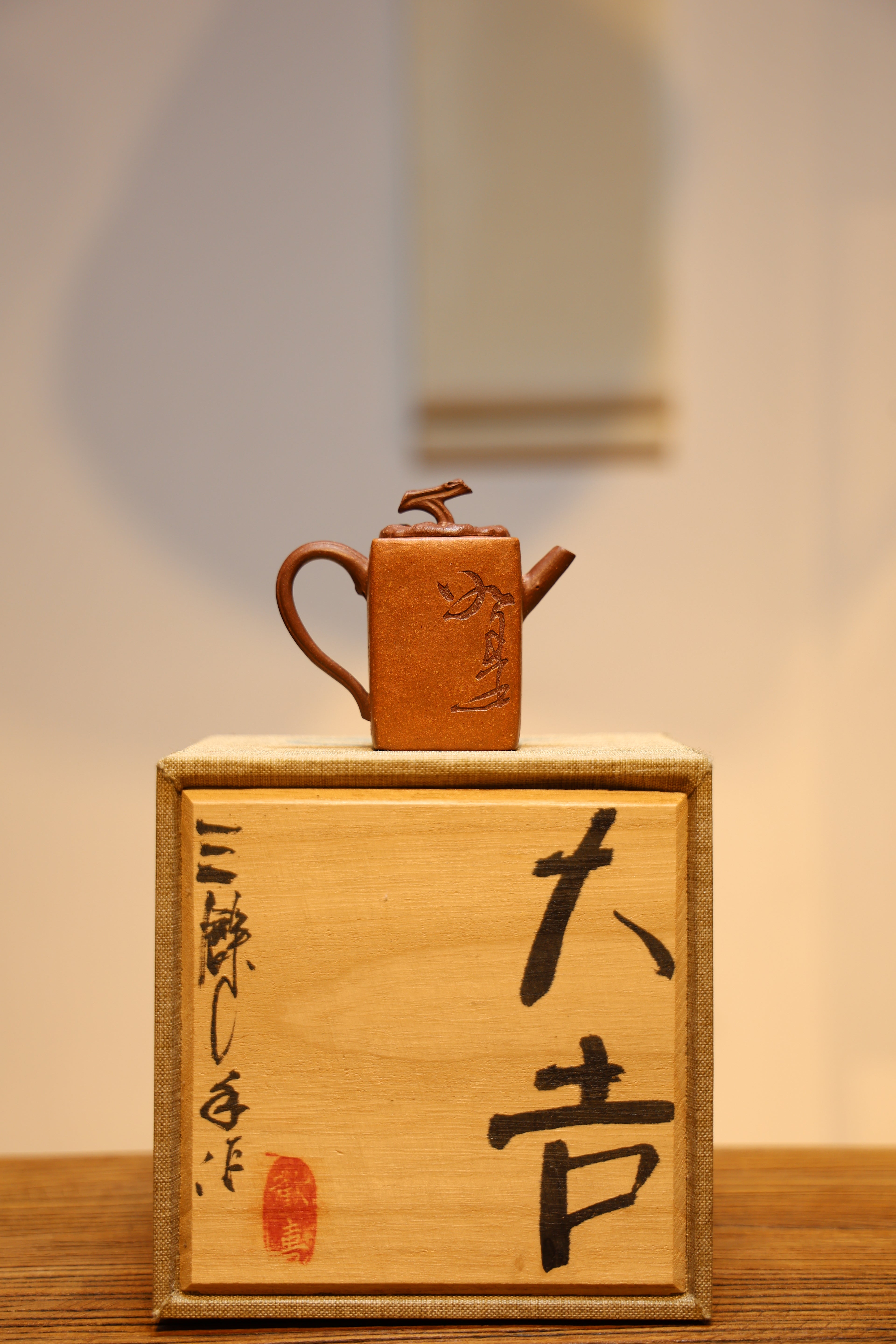
How does emphasizing sustainability help market a natural-clay Purple Clay Teapot?
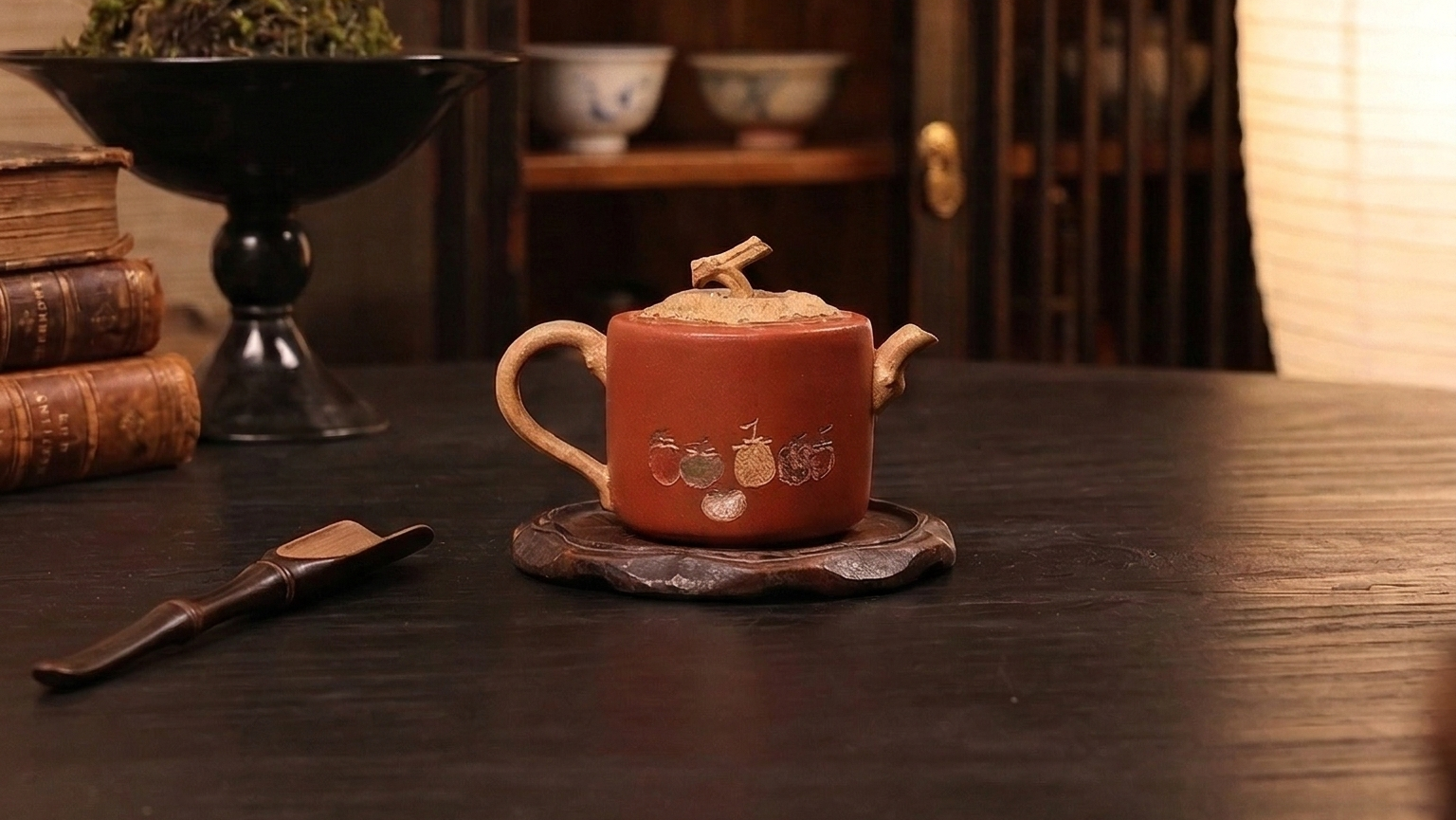
Perpetual custom expresses Yixing teapots through ages,
Showcasing original attributes gathered through homegrown mauve minerals, those earthenwares gain a luster through utilization, augmenting taste extracted from brewed extracts.
Unveiling Yixing Mud: Complete Insights into Zisha
Diverse collectors value the special feel of Yixing purple clay, a linchpin of enduring Chinese craft. Deriving from the Yixing region of Jiangsu province, this unique clay features an intricate mineral arrangement, so that gives exceptional qualities to the final items. Categories within Zisha, including Zhuni Mud, Duan Ni Mud, and Jiang Xi Mud, each has special complexions, patterns, and firing traits, determining the absorption and the decisive taste maturation of the drink.
Eastern Carafe Usages: Exploring Artistry
Asian teapots embody beyond mere flasks for liquid; they symbolize centuries of inherited artistry. From the iconic Yixing clay variations, respected for their ventilated nature which conveys unique accents to the tea, to the graceful porcelain from Jingdezhen, each piece relays a anecdote of commitment. The making process is an elaborate endeavor, often relayed through lineages of professionals. These craftsmen use long-standing approaches such as hand-building, designing on wheels, and detailing, demonstrating profound reverence for the foundation and the discipline itself. Imagine the effort invested in each piece as a symbol of Chinese tradition legacy.
- Eastern clay flasks: a iconic offer.
- Jingdezhen ware teapots: valued for their refined design.
- Constructing techniques: a challenging yet fruitful procedure.
Yixing Zisha Jar Treatment: Protecting Your Beloved Piece
Proper preservation of your esteemed Yixing Zisha teapot is important to securing its beauty. Crafted from renowned purple sand soil, these exceptional teapots build a warm patina after utilization, greatly boosting their allure. Stay away from soaps; a delicate rinse with comfortable warmth water is enough. Shun steaming water for refreshing the teapot, as it may harm its material. Allow it to evaporate moisture away from unfiltered sunlight. Consider curing your teapot regularly using excellent tea, especially deep-flavored varieties. Here is a brief outline:
- Wash off with warm moisture.
- Eschew cleansers.
- Provide it to dry completely.
- Season with fine tea.
Heritage of Yixing Teapots: From Simple Starts
The tale of Yixing teapots starts simply during the Song dynasty, about the 16th era. Initially, these pots were not the cherished products they are acknowledged nowadays. They were produced by indigenous potters using the distinctive purple clay sourced solely in the Yixing vicinity. These early works were largely utilitarian, designed for everyday use and often simple in composition. It was not until the afterward dynasty that they opened to earn honor beyond mere utilitarian ceramics.
Opting For the Proper Zisha Urn: A Fundamental Reference
Exploring the sphere of Yixing teapots can be overwhelming, but do not fretting! For first-timers, the fundamental factor is understanding the earth. Genuine Yixing clay is prized for its porosity, allowing the teapot to lock in the tea's essence over time, elevating every steeping session. Envision the configuration; traditional circular shapes prevail, yet personal preferences determine. Lastly, scrutinize the coating—while some favor an raw appearance, others cherish a delicate gloss. Take your time in the decision process—this is an investment in a adored piece of workmanship.
Purple Clay Kettles and Their Role on Chinese Drink Lifestyle
Zisha jars, hailing from Yixing, China, have profoundly dictated enduring Chinese beverage culture. The Yixing clay teapots, prized for their unique complexion, consistency, and exceptional ability to impart a subtle taste to the concoction, act as more than mere utensils; they are respected works of art and symbols of prominence. The very act of preparing and serving elixir using a Zisha teapot is steeped in heritage, elevating the experience beyond simple refreshment. Successions of artisans have developed their techniques, passed down through progenies, resulting in highly appreciated pieces. Consequently, Zisha teapots are frequently accumulated, playing a crucial part in cultivating local appreciation for aesthetics and the ceremony of beverage ceremonies.
- Peculiar Clay Composition
- Imparting Subtle Flavor
- Beautiful Craftsmanship
Recognizing Certified Rare Traditional Pieces
Buying a truthful Yixing teapot can be a rewarding experience, but the sector is often crowded with copies. Dividing between a authentic antique and a current reproduction requires thorough inspection. Key markers Yixing Zisha Teapot include the clay's coppery shade, often displaying striped decorations, and the scarcity of modern baking imprints. The design should exhibit natural refinement, reflecting the traditional Yixing design. Finally, evaluating the maker's inscription is key to verify genuineness against recognized citations.
- Assess the clay's texture.
- Look for blemishes, indicative of custom quality.
- Employ an expert for authentication.
Obtaining Traditional Clay Pots: A Complete Manual to Ceramics Appreciation
The realm of Eastern Zisha earthenware delivers a noteworthy opportunity for astute enthusiasts. Continuously, the valuation of these mastercrafted artifacts is guided by diverse components, such as the standard of composition, the dexterity of the potter, the historical significance, and, naturally, the present trade. Newcomers should prioritize on researching the diverse categories of Zisha clay—such as Ice River, Tranquil Vessel, and Scarlet Earth—and researching the traits linked to each. Diligent assessment of the pot's form, hue, and seal is concurrently mandatory to make educated judgments when investing.