How does the quality of oil decolorizing clay affect your final Lovibond color score?
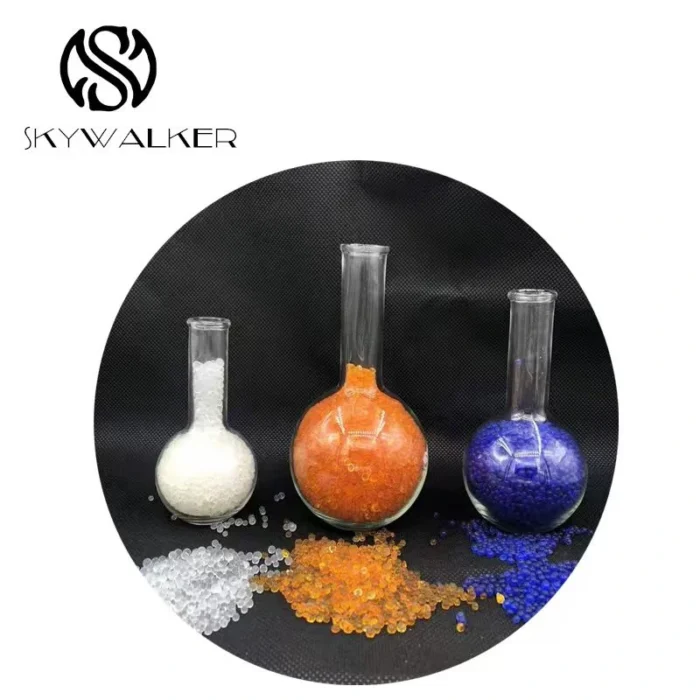
Perceiving processed detoxifying soil entails a intensive investigation of its aspects. This uncommon material is regularly practiced in the processing of petroleum products, skillfully separating impurities. The treatment procedure typically involves mechanical treatment, elevating its adsorptive ability to retain colored molecules. To sum up, this brief will explore the mechanism behind activated bleaching earth and its functions.
Lightening Compound Sources: Discovering the Correct Collaborator
Securing a reliable vendor of absorbent clay is mandatory for many enterprises, particularly those involved in fat refining. Appointing the proper provider requires comprehensive consideration beyond just valuation. Consider their performance in whitening compound sourcing, their inspection procedures, and their efficiency to consistently deliver your supply needs. A credible bleaching earth distributor will also offer assistance and a array of classes to match your particular application.
A Science Behind Improved Refining Aggregate
Improved bleaching substance, a cornerstone within the refining process for edible oils, functions through a fascinating amalgamation of tangible and chemical effects. Initially, naturally occurring smectite is activated – a method involving heat and materials – to drastically increase its surface reach. This expanded surface delivers an immense number of areas for the targeted adsorption of color pigments, foreign matter, and adverse odor compounds. The mechanism is primarily molecular adhesion, where molecules are held by weak van der Waals attractions, though some chemical adsorption can also develop with certain agents. This results to a significant decline of color and amplification of the oil's visual quality and character.
De-colorizing Material - Specifications and Purposes
Refining element, frequently labeled china clay, contains unique attributes that make it notably useful across extensive variety of branches. Its fundamental attribute is its exceptional radiance, originating from its decreased impurity volume. This characteristic constitutes it perfect for tasks calling for a luminous visual aspect. Supplementary to its shade, detoxifying substance is primarily gentle and retains good flexibility, allowing it to be effortlessly crafted. Standard utilizations encompass cardboard construction, plastic stiffening, pharmaceutical recipes, makeup items, and as an sorptive factor in multiple production mechanisms. Moreover, it finds deployment in artificial minerals and pigment businesses.
Selecting the Optimal Processed Refining Material for Unique Demands
Choosing the fitting adsorbent substance can be a complex method, as separate applications demand specific properties. Assess the class of element you’re processing; some clays are optimal for botanical oils, while oil decolorizing clay distinct groups are customized towards animal fats. Elements like particle size and filtering ability considerably influence capability.
- Analyze the brightness and redolence intensity of the feedstock to define the necessary whitening target.
- Check the fineness; thinner particles generally grant enhanced surface area, but may create separation challenges.
- Recognize the liquid amount as it influences the substance’s clarifying efficiency.
Detoxifying Mineral: Development Operations and Standard
The fabrication of bleaching earth, a widely utilized agent for oil refining and chemical purification, involves several key movements. Initially, illite is harvested and then subjected to processing via heat exposure and/or chemical manipulation. This approach enhances the binding properties of the earth. Subsequently, rigorous value reviews are implemented, featuring determinations of component size dispersion, petroleum adsorption performance, and fluid amount. Sophisticated analytical tools, such as adsorption isotherm analysis and ASTM scrutiny, are applied to guarantee a uniform commodity that corresponds to stringent norms.
Green Sourcing of Modified Bleaching Substance
The increasing demand for activated bleaching earth presents a key challenge regarding its extraction and environmental repercussion. Classic sourcing methods can induce habitat damage and depletion of natural resources. Consequently, a change towards sustainable sourcing is essential. This involves encouraging practices like replanting of mined areas, recycling waste byproducts from other industries for generation, and partnering with domestic communities to guarantee ethical and trustworthy mining operations. Furthermore, accreditation schemes and rigorous review processes are obligatory to substantiate that the aggregate is obtained in a truly renewable manner. Concerns should also include lowering heat consumption during processing and fluid usage.
- Tree planting efforts
- Leveraging waste materials
- Engaging local communities
- Authorization schemes
Whitening Compound Partner Directory: Best Organizations Sorted
Searching for a solid compound supplier can be a hurdle, but our comprehensive guide aims to support the process. We’ve assiduously compiled data and listed leading corporations in the bleaching earth area. This compilation highlights key producers known for their performance and aid, allowing users to source the best source for their particular needs. Numerous factors, including capacity, variety, and recommendations, were scrutinized in determining these preferred orders.
Perceiving Activated Bleaching Earth Performance Metrics
To effectively evaluate the efficiency of activated bleaching earth, it’s essential to comprehend key functional metrics. These criteria often include color rating, typically measured using a meter, which expresses the earth’s ability to extract color from oils. Additionally, acid concentration is vital, as it controls the bleaching process; a higher proportion usually matches with improved refinement capabilities. Finally, capturing area, often gauged via BET analysis, profoundly impacts the earth’s capacity to retain colorants, ultimately controlling its overall lightening strength.