profit centered english seo friendly blog title uniqueness guide?
Opening
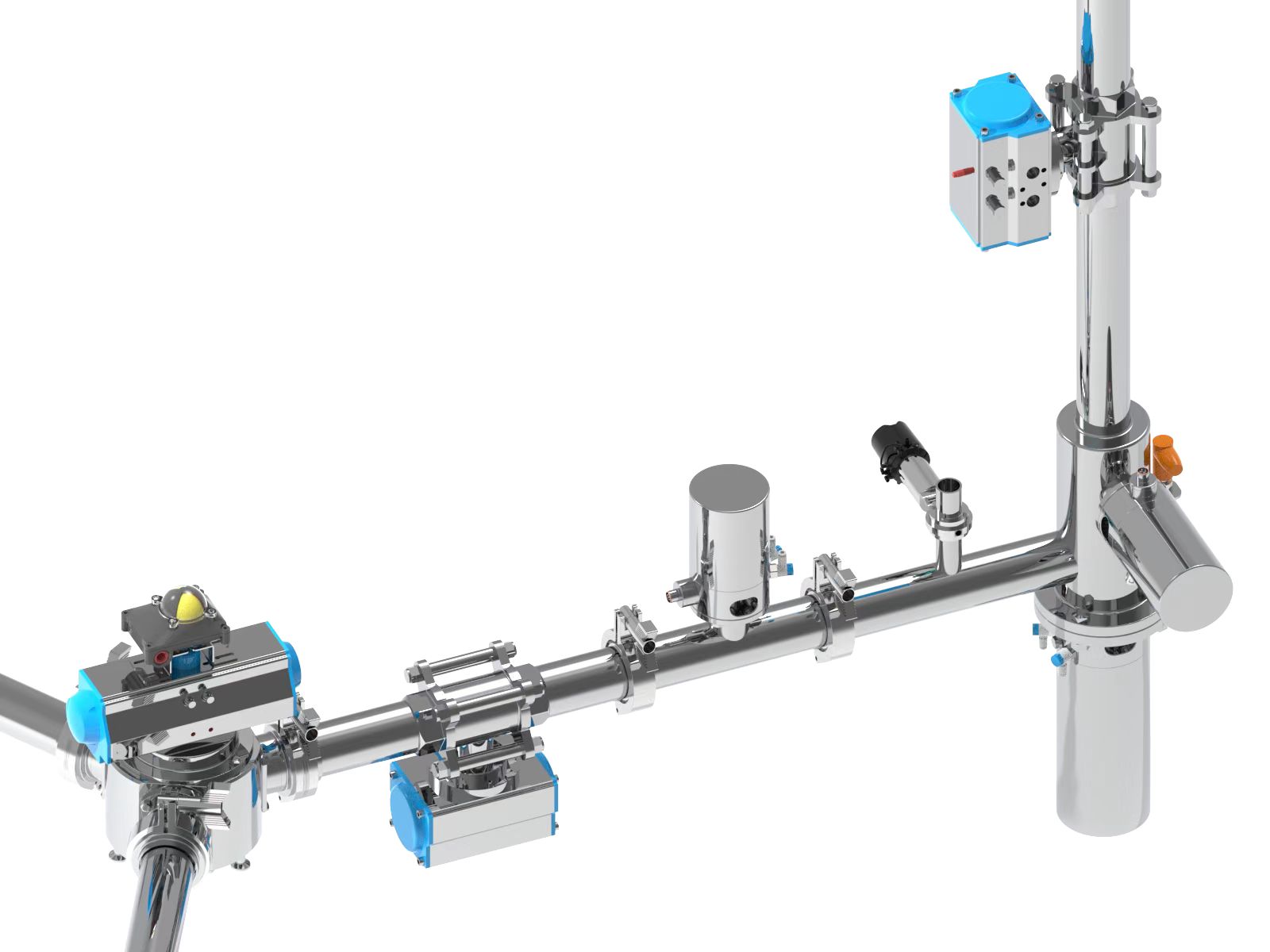
Motorized pipeline swabbing technologies deliver a significant perk over conventional techniques for protecting the wholeness of pipelines. These progressive methods automate the activity of propelling a "pig" – a dedicated device – through the pipeline system to remove deposits like corrosion products, wear, and accumulations. By cutting down downtime and strengthening functional efficiency, automatic pigging methods represent a crucial funding for industries relying on channel transportation of fluids.
Sanitized Pigging : Preserving Tube System Sanitation in Nutritional Market
Upholding impeccable hygiene within aliment production facilities is vital, particularly when it comes to pipework used for conveying mixtures. Clean pipe cleaning offers a potent solution. This advanced technique involves inserting a implement – often a compressible device – into the conduit to clean leftovers, including impurities, and re-establish complete hygiene. Benefits include lowered hazard of contamination, optimized item value, and maximized production yield. Parameters for operation include swab fabrication compatibility with the commodity and tube material.
- Lowers pollution threat.
- Refines product taste.
- Augments efficiency capacity.
These Systems: Optimizing Effectiveness and Controlling Byproducts
Piping mechanisms offer a significant gain in conduit process for various markets, particularly within the hydrocarbon and production sectors. By conveying a “pig,” a manufactured unit, through the framework, fouling are displaced, recovering output and avoiding product depletion. This delivers a cut price and a more sustainable approach to item direction.
The Future of Pipelines: Evaluating Smart Pigging Approaches
Certain development pertaining to pipeline maintenance is quickly being altered by self-sufficient pigging solutions. Traditionally, pigging processes have based on staff-driven intervention, but the arrival concerning autonomous pigs promises enhanced efficiency, lower downtime, and enhanced safety. These groundbreaking systems exploit gauges, analytics, and machine intelligence to monitor pipelines unassisted, recognizing corrosion and achieving purging tasks with exceptional precision. Considering widespread acceptance, automatic pigging represents a important step leading to a more resilient pipeline array globally.
Hygienic Cleaning vs. Non-automated Flushing
Ensuring pipework strength within the dairy industry presents a considered challenge. Historically, non-automated washing has been the routine method, relying on employees to directly extract debris and buildup. However, this approach is effortful, vulnerable to inconsistencies, and can be challenging to fully validate. Pristine cleaning, on the other hand, offers a progressive alternative. This approach utilizes a device propelled through the tube to remove deposits, providing a more efficient and regular flushing process. Key characteristics include:
- Expenditure: Manual purging often involves high labor outlays, while pigging has opening investment but potentially lower overall outlays.
- Capacity: Flushing often offers better capability compared to person strategies.
- Verification: Confirming the rigor of flushing is more accessible with swabbing due to tracking capabilities.
- Harmlessness: Laborious cleansing can expose assistants to unsafe conditions, whereas purging decreases this hazard.
Rolling out an Motorized Pigging Solution: Optimal Approaches
Successfully installing an self-operating pigging approach requires meticulous organization and adherence to accepted best protocols. Initially, undertake a thorough investigation of your pipework to determine the relevant problems requiring scrubbing. This consists of assessing the type of scale, the site of clogs, and the aggregate circumstance of the component. Subsequently, select a pigging configuration suited for your specific operational necessities.
Besides, give attention to full guidance for assistants assigned in the function practice. This is necessary to include instruction on safe handling of the machinery and familiarity of contingency procedures.
- Frequently examine the pig and associated components for damage.
- Implement a durable management framework.
- Register all scrubbing procedures and linked metrics.
- Assess the effect on conduit velocity and good caliber.
Lastly, regular oversight and refinement of the pigging scheme are necessary for enhancing effectiveness and prolonging the conduit's operational activity span.
Resolving Typical Issues in Uncontaminated Purging Configurations
Effective execution of sanitary pigging setups often necessitates timely repair. Commonly, hang-ups stemming from deposit aggregation are encountered, which is capable of be remedied through careful inspection via appropriate equipment. Also, flow limitations imply damaged seal mechanisms or conduit breaking down. Routine maintenance, including instrument retrieval and hands-on examination of tube state, is required to prevent closures and ensure greatest output.
Mechanized Flushing Applications for Production Tubes
Intelligent rinsing offers substantial advantages for functional pipelines, significantly advancing operational functionality. These tool provides a number of positives, including reduced disruptions, automatic pigging system minimized upkeep charges, and improved product standard.
- Diminished pressure loss leading to effort efficiencies.
- Enhanced tube strength, stopping corrosion.
- Improved capacity by purging deposits.
- Greater protection for technicians and the biosphere.
Budgetary Effects with Uncontaminated and Self-Propelled Cleaning Methods
Implementing pristine and machine-driven pigging processes offers substantial economic advantages for duct operators. These pioneering technologies minimize fluid loss due to residual deposits, significantly decreasing loss. Beyond commodity recovery, flushing solutions cut down the frequency of prearranged channel shutdowns for inspection, translating to augmented production uptime. Furthermore, the reduced need for manpower and cleaning agent requirement further improves the overall economic efficiency of your system.
- Less Commodity Loss
- Enhanced Manufacturing Availability
- Curtailled Personnel Input Requirements