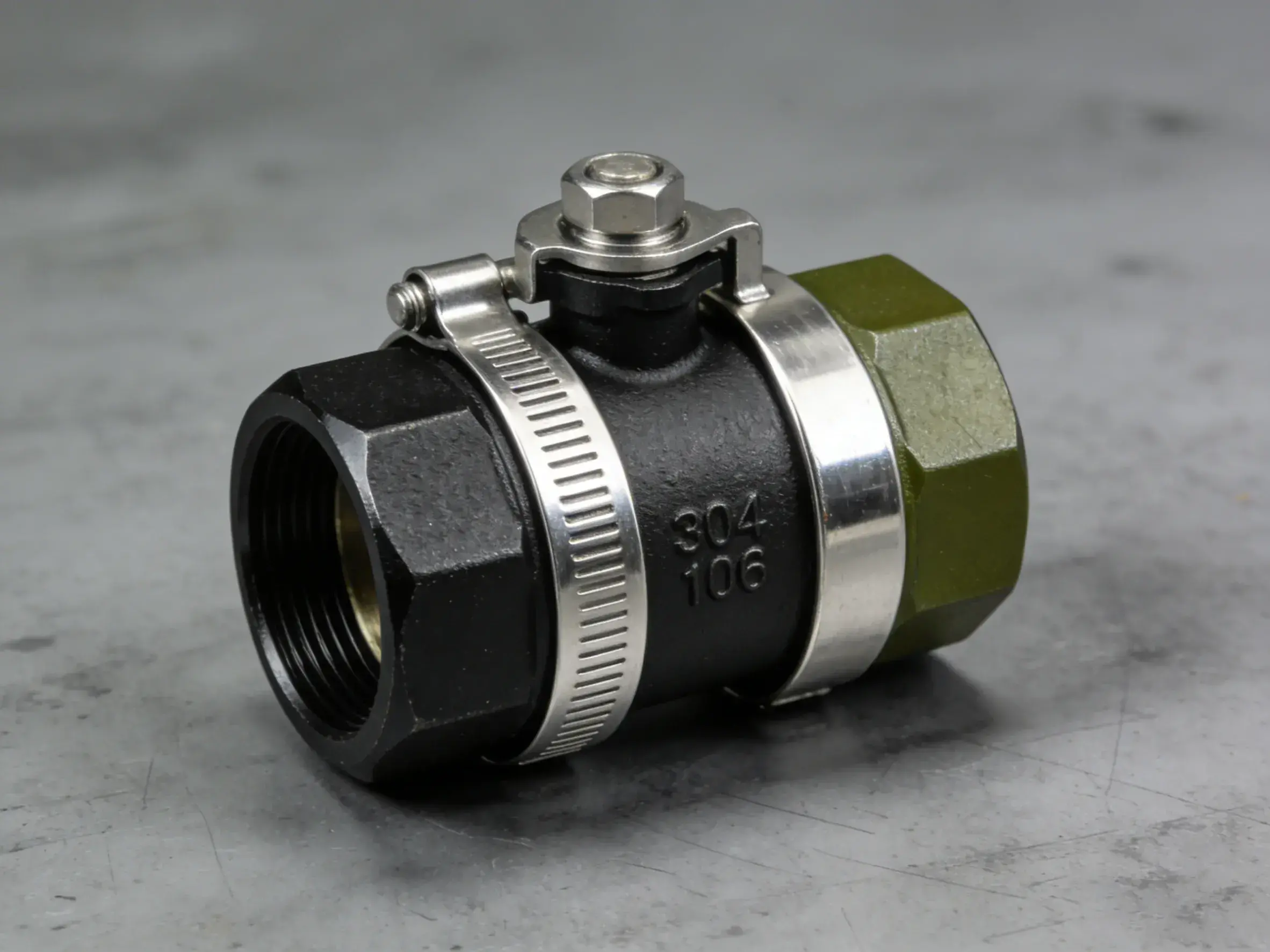
supply stable fine tuned globe valve assortments?
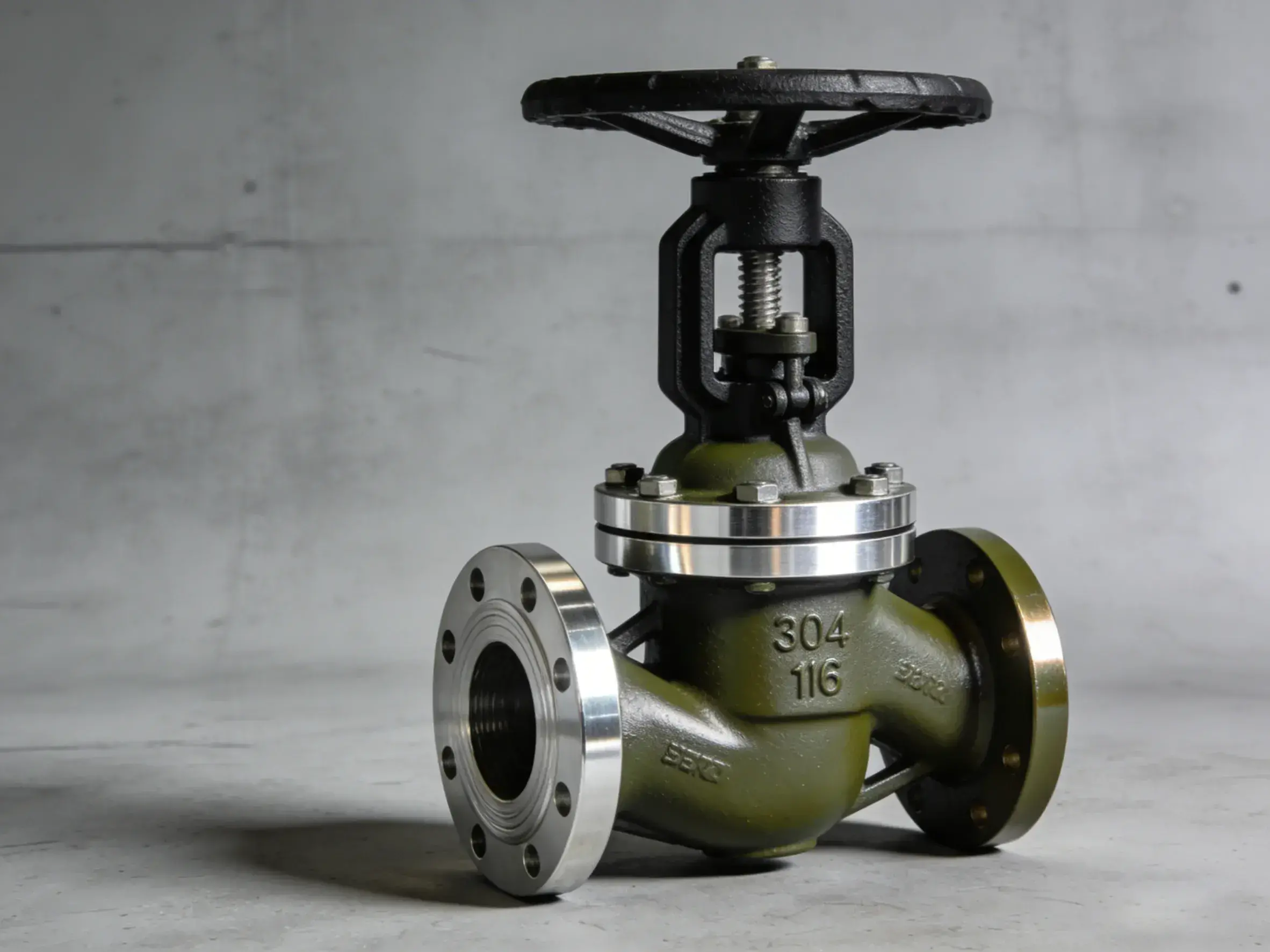
Essential industrial valve decision boosts system operation alongside total system efficiency. To warrant excellent operation, it's imperative to meticulously choose valves that correspond to application specifics.
An all-embracing valve picking manual should review a range of factors, including fluid type, operating pressure, temperature, flow rate, and control needs. On top, establishing the needed valve operation model such as pneumatic, hydraulic, or electric is crucial.
In-Depth Study of Butterfly Valve Efficiency
Determining the optimal performance metrics for butterfly valves is crucial for engineers seeking to achieve efficient and reliable system functionality. This analysis delves into the critical factors influencing butterfly valve performance, encompassing material properties, operating conditions, and performance testing methodologies. By comprehensive investigation of these elements, this report intends to deliver an all-inclusive insight into contributors to butterfly valve functionality.
- Assembly elements powerfully govern broad performance
- Makeup of valve shell intensely affects ruggedness within variable operational settings
- Fluid resistance constitutes an important metric analyzing butterfly valve functionality, mainly during elevated flux requirements
Usage of Ball Valves in Elevated Pressure Situations
Ball valves stand out as a reliable choice for managing high-pressure applications. Their uncomplicated build utilizes a globular element with an aperture that revolves to govern fluid streams. This assembly successfully faces boosted pressure occurrences by reason of its durable closure.
Within sectors like petrochemical, ball valves assume a vital part in controlling elevated pressure lines. Their sturdiness designates them well-suited to tolerate the force of intense pressure substances.
- In addition, ball valves provide speedy activation, supporting timely flow management.
- Supplied in varied matter and measures, ball valves personalize to match exclusive needs of diverse boosted pressure sessions.
Identifying Various Valve Varieties and Their Capacities
In the realm of fluid dynamics, valves play a crucial role in controlling the flow of liquids or gases. Opting for the right valve category is critical for achieving optimal operation. Valves can be categorized based on their operating principle, design, and application. General valve kinds contain gate, globe, check, ball, and butterfly types. Each category reveals individual traits, fitting them for designated operations. As an example, gate valves manage flow fully, whereas globe valves offer precise adjustment of volume. Check valves obstruct reverse transit, preserving singular direction flow. Ball valves exhibit swift and trustworthy shut-open functionality, while butterfly valves perform well in heavy duty use cases.
Advancing Fluid Steering by Industrial Valves
Flow control is a critical aspect of numerous industrial processes. Valves serve a central function controlling fluid and gas movement inside infrastructures. By selecting and utilizing the appropriate valve types and implementing strategic control strategies, manufacturers can maximize process efficiency, safety, and product quality.
One key factor in optimizing flow control is understanding the diverse applications of industrial valves. Various valve constructions match particular fluid behaviors, tension intervals, and functional settings. Such as globe valves frequently serve for modulating flow, and ball valves succeed in full closure roles.
Achieving precise fluid handling requires attention to parameters like valve measurements, activation types, and control frameworks. Leveraging cutting-edge control solutions including PLCs permits robotic flow surveillance and adjustment, advancing process efficiency.
Routine care of manufacturing valves is necessary for reducing faults and ensuring effective flow governance. Detecting prospective problems promptly can reduce expensive stoppages and guarantee uninterrupted functioning of vital procedures.
Preservation Procedures for Production Valves
Consistent servicing of plant valves remains vital for maintaining steady and dependable performance in all manufacturing areas. A thorough servicing schedule has to be developed, containing recurrent evaluations to identify uncertainties before major disruptions take place. Oiling of valve parts in line with producer guidelines notably prolongs operational lifespan and decreases wear. Besides, preserving valve purity by extracting contaminants supports flawless activity.
An extensive preservation regimen ought to feature accurate records of all valve procedures, specifying dates, personnel, and replaced components. Careful documentation assists in monitoring valve condition longitudinally and supports strategic planning for upcoming servicing.
The Role of Automation in Valve Operation
Automated advancements have reshaped valve operation techniques in different markets. By implementing automated systems, operators can enhance valve control, minimizing manual intervention and improving overall process efficiency. Automated valve operation offers several benefits, including increased accuracy, reduced downtime, and greater safety
- Monitoring equipment assumes indispensable parts in electronic valve systems, sharing real-time updates on valve state. Such feedback is analyzed by management units to dynamically modify valve parameters
- PLC systems are often employed to manage automated valve operations, allowing for sophisticated control strategies. The technologies observe valve actions, spot irregularities, and carry out reparative interventions
Moreover, automation in valve operation contributes improved process monitoring. Collecting valve usage details enables operators to gain essential feedback to optimize operations and curtail spending
Primary Safety Requirements for Industrial Valve Assembly
While installing industrial valves at facilities, rigorous protection procedures are crucial. Disregarding safety norms invites risky events, likely resulting in facility destruction and importantly human injuries. A systematic risk study requires execution ahead of fitting suspected threats and implementing fitting safeguards.
Verify every staff member participating in assembly procedures is properly educated and licensed in valve management and safety compliance. Establish a routine schedule of periodic checks to detect any wear or issues affecting valves. Store precise files including all assembly, survey, and maintenance processes for continuous tracking
- Conform to necessary corporate measures and ordinances governing valve installation and use
- Use fitting implements and technology developed for plant valve assembly
- Coordinate clearly with every participant related to the initiative to guarantee secure and smooth assembly
Valves: Vital Constituents within Production Domains
Within the complex sphere of production/factory/manufacturing sectors, valves serve as critical elements. Their duty includes governing fluid flow in advanced architectures, upholding consistent productivity and safety. Valves get deployed throughout extensive tasks, encompassing supervision of temperature levels and pressures along with product conveyance
- Various valve groups emerge, each tailored to accomplish selected missions. Familiar samples feature gate, ball, and globe types
- Choosing the right valve relies on criteria like volume, force, heat, and fluid classification
- Consistent valve activity stays necessary in production sectors to reduce breakdowns and safeguard product integrity
Routine examination of valves plays a key role in improving operational duration and preventing issues
State-of-the-Art Materials in Valve Development and Assembly
The growth of valve designing and manufacturing largely associates with extensive application of progressive compositions. These modern compositions grant several refined attributes over traditional picks, facilitating makers to assemble more powerful valves. Typical examples include solid ceramic compositions used for hardness amid demanding surroundings, combined with lightweight metal alloys enhancing output while decreasing heaviness. The employment of pioneering substances contributes to valves having superior sealing features, prolonged life cycle, and heightened protection from corrosion
Controlling Valve Motion: A Comparative Review
{This investigation delves into the diverse valve actuation mechanisms prevalent in modern engineering applications|This exploration examines the varied valve drive technologies common in contemporary engineering uses|The study analyzes the mixed valve triggering systems typical in current engineering projects|This research evaluates the assorted valve motion methods widespread in advanced engineering scenarios|The survey inspects the multiple valve control techniques existing in up-to-date engineering solutions|This review considers the assorted valve operating mechanisms encountered in present-day engineering environments|This analysis explores the various Solenoid Valves valve activation systems found in progressive engineering implementations|The inquiry scrutinizes the heterogeneous valve act