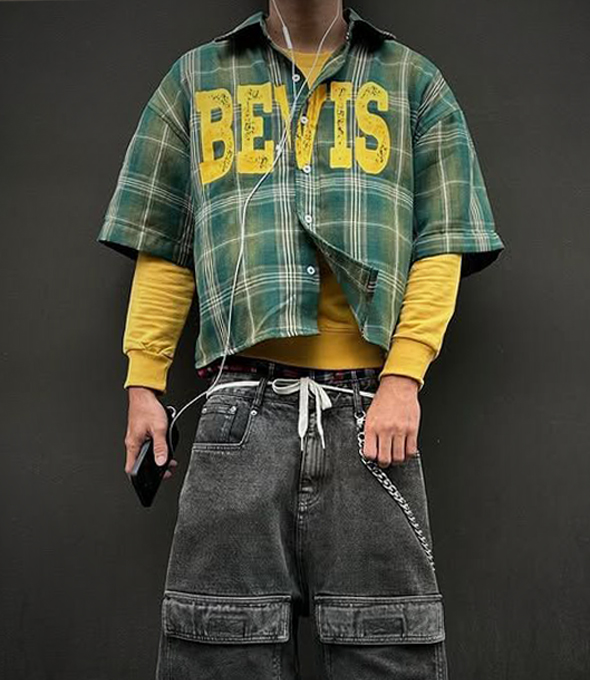
What makes a cut and sew tracksuit factory suitable for premium streetwear labels?

How can brands judge whether a streetwear clothing supplier can handle washed sweatshirts?
A heavyweight hoodie looks simple on a rack, but most production problems start before sewing even begins. When you add complex wash treatments like acid wash, stone wash, or enzyme wash to the mix, the difficulty multiplies. An acid-wash hoodie is not hard because of the wash name. It is hard because the effect has to stay controlled across hundreds or thousands of garments without destroying the fabric, altering the fit, or ruining the graphic prints.
For established streetwear brands and product development teams, finding a specialized streetwear factory that can consistently execute washed heavyweight fleece is a major challenge. Many general apparel factories claim they can do it, but the reality of sample-to-bulk execution often tells a different story. This guide breaks down the technical complexities of washed hoodies and explains exactly what procurement teams should look for when evaluating a streetwear clothing manufacturer.
Why is washed streetwear manufacturing more technical than basic apparel production?
Washed streetwear manufacturing requires precise control over fabric shrinkage, colorfastness, and structural integrity after aggressive chemical and physical treatments. Unlike basic apparel, streetwear relies on heavyweight fabrics and complex fits that react unpredictably to industrial washing, demanding specialized pattern engineering and batch-level consistency.
When a brand develops a washed hoodie, they are not just picking a color. They are engineering a garment that will undergo significant stress before it ever reaches the customer. Techniques like stone wash, enzyme wash, and acid wash physically alter the fabric.
Stone Wash uses pumice stones to abrade the fabric, producing a rugged, vintage effect and a soft hand feel. While it creates a unique look, it weakens the fabric fibers. Enzyme Wash employs cellulase enzymes to break down surface fibers, giving garments a smoother texture and a faded appearance. Acid Wash achieves a dramatic, mottled contrast effect by treating garments with pumice stones soaked in bleaching agents.
These processes impact the fabric weight and hand feel. A 400gsm heavyweight cotton fleece might feel perfect in its raw state, but after an aggressive acid wash, it can lose weight, become brittle, or develop an uneven texture. Brands must care about this because the tactile experience is a core part of premium streetwear positioning. In bulk production, the most common risk is batch-level variation—where one batch feels soft and premium, while the next feels stiff or degraded. Procurement teams must validate this by requesting wash test reports and comparing the hand feel of the pre-production sample (PPS) against multiple units from a trial bulk run.
What should procurement teams check before approving a heavyweight washed hoodie sample?
Before approving a washed hoodie sample, procurement teams must verify shrinkage control, seam strength, and print durability post-wash. They should demand wash test data, inspect the sample-to-bulk alignment plan, and ensure the pattern development accounts for the specific wash technique's impact on the final oversized or boxy fit.
Shrinkage control is the silent killer of washed streetwear. When a heavyweight French Terry or fleece hoodie goes through an industrial wash, it shrinks. If the pattern development does not accurately calculate and compensate for this shrinkage, an intended oversized fit can easily become a standard or even a slim fit.
This is why oversized fit requires real pattern development instead of simple size enlargement. A specialized streetwear manufacturer will test the specific fabric's shrinkage rate during the fabric sourcing and sampling phase. They will then adjust the pattern grading so that after the wash, the garment hits the exact spec measurements.
Brands must care about this because inconsistent sizing destroys customer trust and increases return rates. The bulk risk is that the factory uses a standard shrinkage estimate instead of testing the actual fabric lot, leading to hundreds of hoodies that don't fit right. Procurement teams should validate this by measuring the raw garment before washing and comparing it to the final washed sample, ensuring the factory has a documented shrinkage compensation formula for that specific fabric and wash combination.
How do wash techniques change bulk production risk for graphic hoodies?
Wash techniques significantly increase bulk production risk for graphic hoodies by threatening print adhesion, color vibrancy, and placement accuracy. Aggressive washes can cause screen prints to crack prematurely or DTG prints to fade unevenly, requiring specialized testing and application sequencing.
Applying a screen print or DTG (Direct-to-Garment) print to a hoodie that will be washed is a delicate balancing act. If the print is applied before an enzyme or acid wash, the chemicals and abrasion can destroy the graphic. If applied after, the fabric surface may be too altered to hold the ink properly.
For example, achieving a deliberate cracked print effect requires precise control. If the factory lacks experience, the print might just peel off entirely rather than cracking aesthetically. Brands must care because the graphic is often the primary visual driver of the product. The bulk risk is sample-to-bulk mismatch, where the sample looks perfect, but the bulk run shows inconsistent fading, peeling prints, or wrong graphic placement due to fabric shifting during the wash.
Procurement teams must validate the factory's print and wash testing protocols. They should ask whether the factory prints before or after washing and request wash-test samples specifically checking for print degradation. A reliable OEM streetwear manufacturer will have clear guidelines on which print techniques are compatible with which wash processes.
How should brands compare a general apparel factory with a specialized streetwear manufacturer?
Brands should compare factories based on their handling of complex construction, heavyweight fabrics, and multi-technique finishing. A specialized streetwear manufacturer understands cultural aesthetics, pattern engineering for non-standard silhouettes, and the strict sample-to-bulk control required for premium custom streetwear development.
A general apparel factory might be excellent at producing thousands of basic corporate polo shirts, but they often struggle with the nuances of premium streetwear production. They might view an oversized hoodie as just a "bigger size" rather than a distinct silhouette requiring specific shoulder drop and armhole adjustments.
When evaluating a China-based customstreetwear clothing manufacturer, look at their tech pack review process. Do they blindly follow the tech pack, or do they flag potential issues with fabric weight, wash compatibility, or sewing tolerance? A specialized factory will warn you if a 400gsm fleece is too thick for a specific complex seam construction or if a chosen embroidery technique will pucker after a stone wash.
For independent brands with real traction, partnering with a manufacturer that understands these nuances groovecolor is critical. For instance,Groovecolorserves as a reference point for specialized custom streetwear production, focusing on the technical execution of heavyweight fabrics, complex washes, and strict sample-to-bulk alignment. They understand that premium streetwear is about executing the details consistently at scale.
Which quality checks matter most before bulk streetwear production?
Before bulk production, crucial quality checks include verifying the pre-production sample (PPS) against the tech pack, confirming fabric lot consistency, testing wash and print durability, and establishing clear sewing tolerances to prevent silhouette imbalance and trim substitution.
The transition from sample to bulk is where most disasters happen. A perfect sample means nothing if the factory cannot replicate it 1,000 times.
1.Fabric Sourcing and Lot Consistency: Ensure the bulk fabric lot matches the approved sample in weight, composition, and hand feel. A slight change in the cotton blend can drastically alter how the fabric reacts to an acid wash.
2.Pre-Production Approval (PPS): The PPS must be made using the actual bulk fabric and the final bulk production line, not just the sample room.
3.Wash and Print Testing: Conduct rigorous wash tests on the PPS to confirm shrinkage, colorfastness, and print integrity.
4.Sewing Tolerance and Finishing: Establish strict tolerances for measurements. In heavyweight washed garments, seams can twist or pucker if not sewn correctly. Final inspection must check for silhouette imbalance and ensure no unauthorized trim substitution (like using a cheaper zipper or drawcord) has occurred.
By focusing on these technical realities, sourcing teams and product development teams can move beyond generic supplier searches and identifysometruestreetwear manufacturerscapable of delivering premium, consistent results.