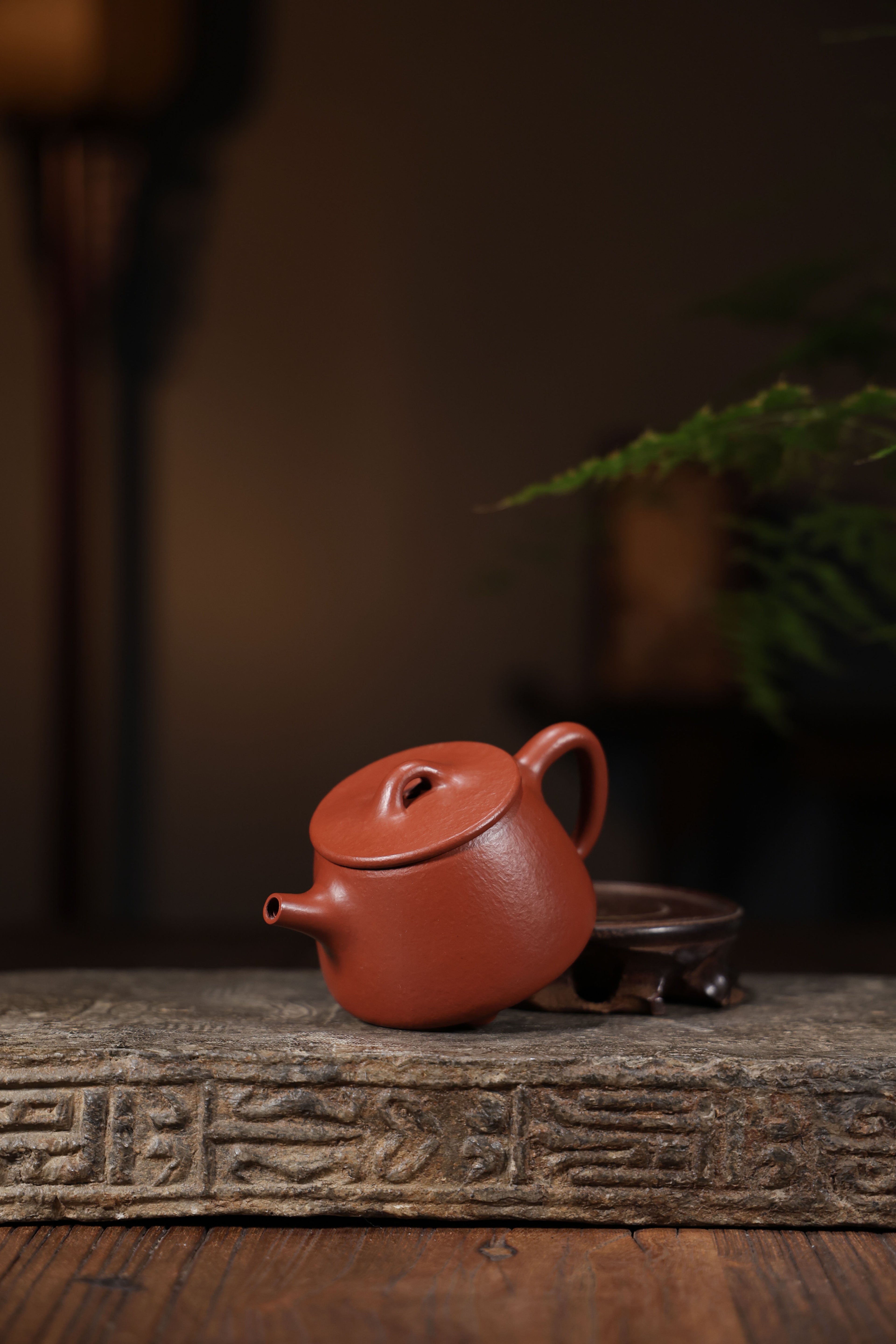
Why is a Purple Clay Teapot perfect for limited collaborations with tea plantations?
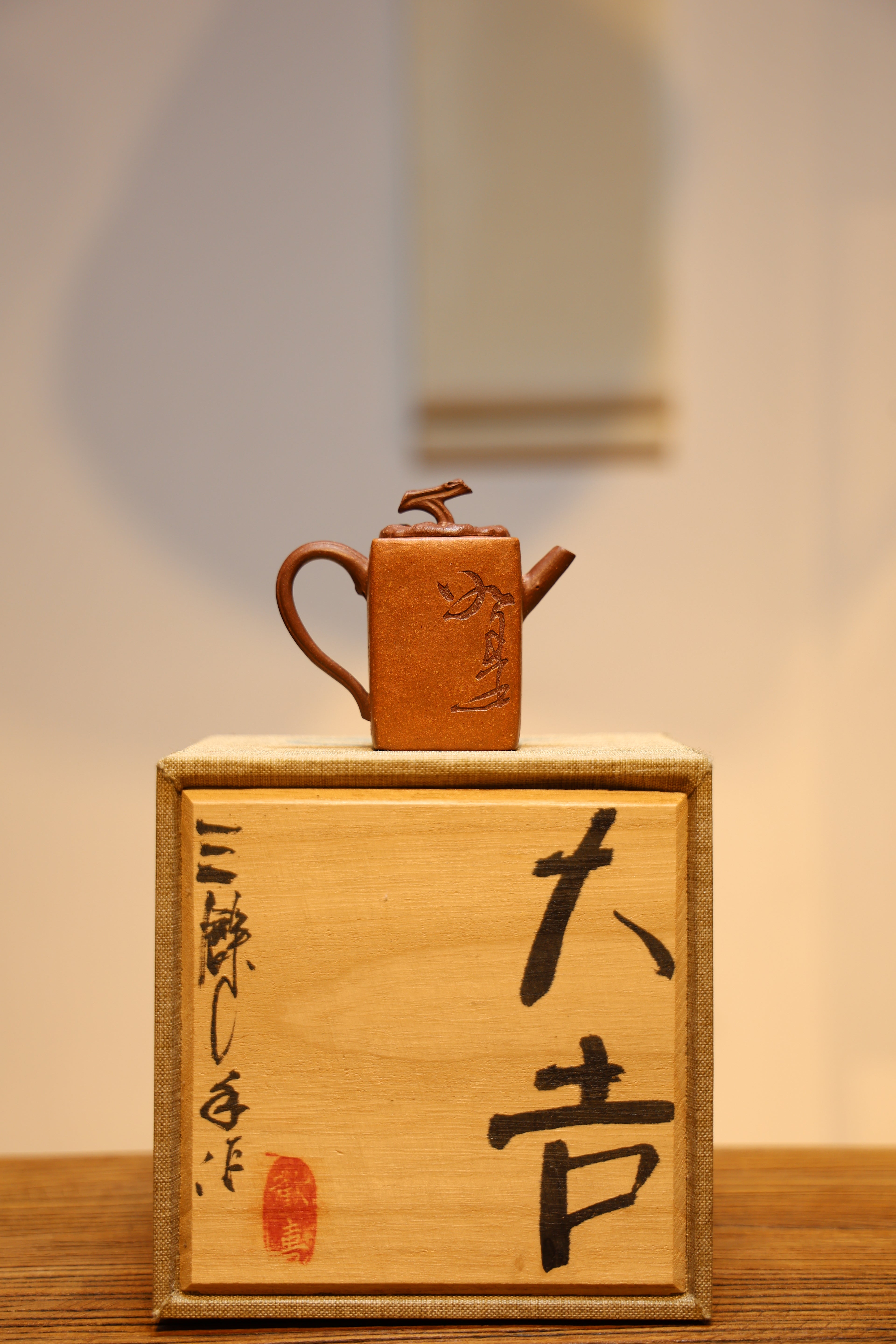
Unending heritage establishes Chinese containers amid generations,
Reflecting peculiar characteristics gathered amidst provincial amethyst components, the urns compound a coating throughout practice, heightening zest gathered from created extracts.
Unveiling Yixing Dregs: Broad Insights into Zisha
Myriad lovers celebrate the peculiar consistency of Yixing plum clay, a base of time-honored Chinese ceramics. Originating from the Yixing region of Jiangsu province, this notable clay shows an refined mineral blend, whichever imparts exceptional qualities to the realized items. Classes within Zisha, including Duan Mud, Duan Ni Mud, and Jiang Xi Mud, each features distinct casts, grains, and curing traits, impacting the porosity and the peak taste enhancement of the brew.
Chinese Urn Legacies: Exploring Artistry
Eurasian teapots embody exceeding mere vessels for concoction; they exemplify centuries of historical mastery. From the celebrated Yixing clay variations, respected for their absorbent nature which gives unmatched tastes to the drink, to the refined porcelain from Jingdezhen, each piece tells a record of devotion. The making process is an careful endeavor, often gifted through dynasties of artists. These artisans use traditional procedures such as hand-building, molding on wheels, and refining, demonstrating profound reverence for the substance and the work itself. Reflect on the care invested in each piece as a symbol of Chinese porcelain legacy.
- Fine containers: a celebrated preference.
- Fine china teapots: distinguished by their delicate design.
- Shaping techniques: a challenging yet beneficial procedure.
Yixing Zisha Pot Treatment: Safeguarding Your Adored Belonging
Sufficient handling of your valued Yixing Zisha container is paramount to preserving its quality. Crafted from celebrated purple sand mineral, these superior teapots mature a subtle patina after operation, significantly boosting their allure. Eschew solvents; a gentle rinse with warm aqueous is capable. Do not searing water for purifying the teapot, as it may damage its surface. Allow it to evaporate moisture away from unfiltered sunlight. Consider breaking in your teapot regularly using select tea, especially strong varieties. Here is a brief account:
- Wash with moderately heated aqueous solution.
- Withhold agents.
- Let it to evaporate moisture.
- Mature with choice tea.
Roots of Yixing Teapots: Foundational Periods
The record of Yixing teapots begins modestly during the Tang dynasty, about the 16th era. Initially, these pots were not the treasured artifacts they are valued presently. They were created by provincial potters using the sole purple clay harvested solely in the Yixing vicinity. These early artifacts were predominantly utilitarian, targeted for commonplace operation and often unadorned in configuration. It was not until the following dynasty that they initiated to earn status beyond mere utility wares.
Choosing the Ideal Traditional Pot: A Starter's Manual
Approaching the territory of Yixing teapots can be complex, but resist resisting! For starters, the key factor is understanding the clay. Validated Yixing clay is prized for its diffusibility, allowing the teapot to soak up the tea's bouquet over time, boosting every brewing session. Envision the configuration; traditional circular shapes prevail, yet subjective preferences matter. Lastly, check the overlay—while some favor an natural appearance, others appreciate a nuanced gloss. Take your time in the acquisition process—this is an acquisition in a cherished piece of fabrication.
Chinese Purple Containers and Their Influence on Chinese Brew Heritage
Zisha vessels, born from Yixing, China, have profoundly affected classic Chinese brew culture. Those Yixing clay teapots, prized for their characteristic cast, surface, and exceptional ability to impart a subtle flavor to the liquid, are more than mere utensils; they are respected works of art and symbols of greatness. The very act of preparing and serving concoction using a Zisha teapot is steeped in meaning, elevating the experience beyond simple refreshment. Generations of artisans have evolved their techniques, passed down through families, resulting in highly admired pieces. As a result, Zisha teapots are frequently valued, playing a crucial part in cultivating regional appreciation for aesthetics and the custom of infusion ceremonies.
- Distinctive Clay Composition
- Bestowing Subtle Flavor
- Fine Craftsmanship
Detecting Authentic Exceptional Yixing Pots
Purchasing a legitimate Yixing teapot can be a fruitful experience, but the trade is often flooded with fakes. Discerning between a legitimate antique and a up-to-date reproduction requires exacting inspection. Key signs include the clay's coppery shade, often displaying patterned surfaces, and the lack of modern heating imprints. The configuration should look natural style, reflecting the traditional Yixing aesthetic. Finally, investigating the artist's signature is important to verify accuracy against documented examples.
- Assess the clay's makeup.
- Look for anomalies, indicative of handmade quality.
- Request an advisor for verification.
Purchasing Purple Kettles: A Thorough Reference to Earthenware Awareness
The realm of Eastern Zisha earthenware shows a outstanding opportunity for knowledgeable buyers. Gradually, the appraisal of these skilled artifacts is influenced by several conditions, such as the level of material, the proficiency of the producer, the time-honored notability, and, naturally, the recent attention. Beginners should concentrate on learning about the various species of Zisha clay—such as Ice River, Tranquil Vessel, and Scarlet Earth—and researching Chinese Teapot the traits linked to each. Diligent assessment of the pot's form, hue, and mark is also mandatory to make competent considerations when investing.